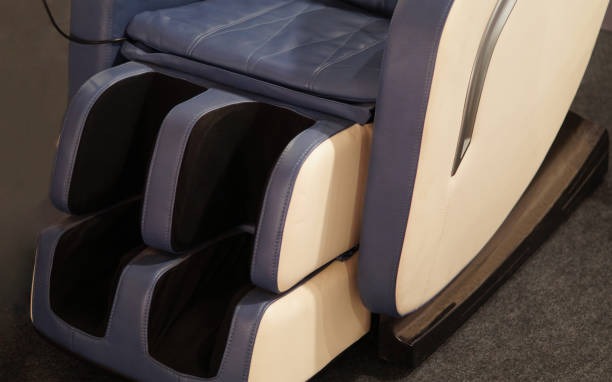
In today’s fast-paced world, many individuals spend prolonged hours sitting at desks or using electronic devices, often leading to poor posture. Poor posture can result in a variety of health issues such as back pain, neck strain, and decreased mobility. Consequently, there is growing interest in solutions that can aid in posture correction. One such solution gaining popularity is the use of massage chairs. But can massage chairs genuinely help with posture correction?
Massage chairs are designed to simulate the techniques used by professional masseuses, targeting muscles and soft tissues to relieve tension and improve circulation. While their primary function is relaxation and pain relief, certain features within advanced massage chairs can contribute positively towards improving posture.
One key benefit of massage chairs lies in their ability to alleviate muscle tightness and stiffness. When muscles around the spine and shoulders are tense or imbalanced due to prolonged poor posture, they pull the body out of alignment. Regular use of a massage chair reviews helps relax these muscles by applying pressure along specific points on the back, neck, and shoulders. This relaxation reduces muscular imbalances that contribute to slouching or rounded shoulders.
Moreover, some modern massage chairs incorporate spinal alignment technology that gently stretches the spine during sessions. This decompression effect can relieve pressure on intervertebral discs and encourage a more natural spinal curvature over time. Stretching also enhances flexibility in surrounding ligaments and tendons which supports better upright positioning.
Another important aspect is improved blood flow stimulated by massages which aids tissue repair and reduces inflammation caused by poor postural habits. Enhanced circulation ensures nutrients reach fatigued muscles faster promoting quicker recovery from daily strain.
However, it’s essential to recognize that while massage chairs offer supportive benefits for posture correction, they should not be viewed as standalone solutions. Posture improvement requires conscious effort including ergonomic adjustments at workstations, regular physical activity focusing on strengthening core muscles responsible for maintaining correct alignment (such as abdominal and back extensors), as well as mindful practices like yoga or Pilates.
Additionally, incorrect usage or overreliance on any device without addressing underlying behavioral factors may limit long-term effectiveness against postural problems.
In conclusion, massage chairs can serve as valuable tools in aiding posture correction through muscle relaxation, spinal decompression, and improved circulation but must be integrated into a comprehensive approach involving lifestyle changes for optimal results. Combining consistent use of a quality massage chair with exercise routines targeting postural muscles alongside ergonomic awareness offers promising potential for those seeking relief from discomfort associated with poor posture while gradually retraining their bodies toward healthier alignment patterns.